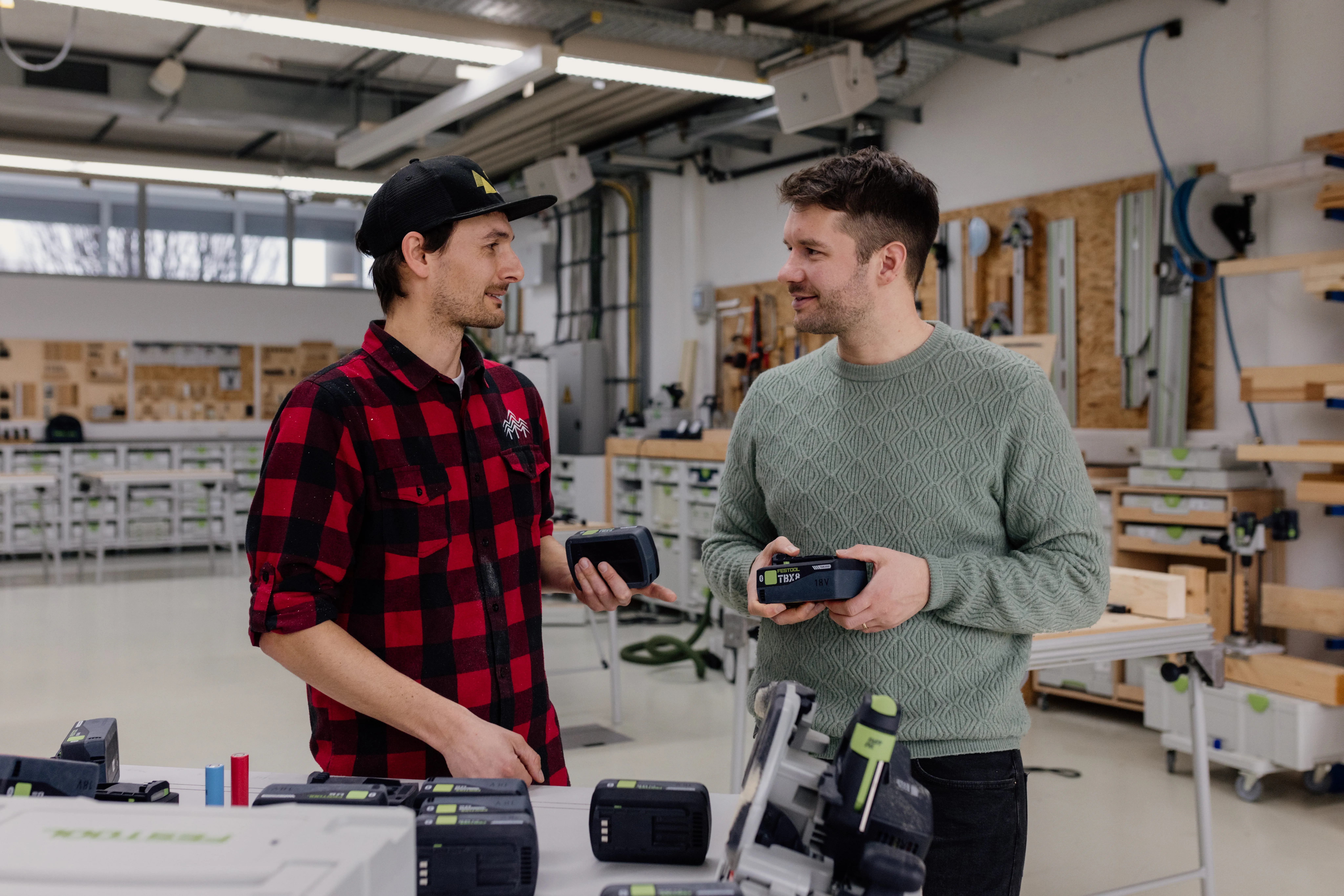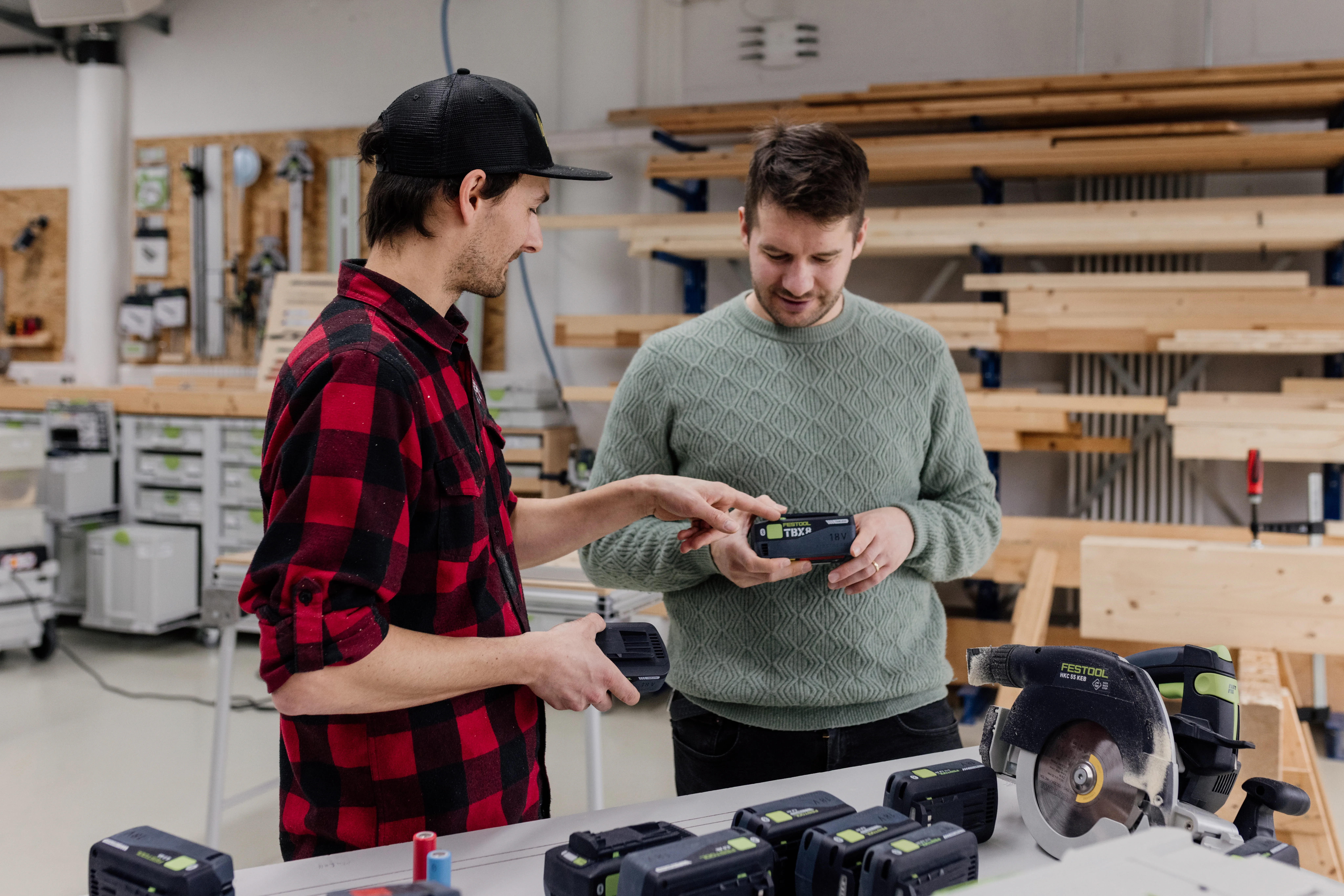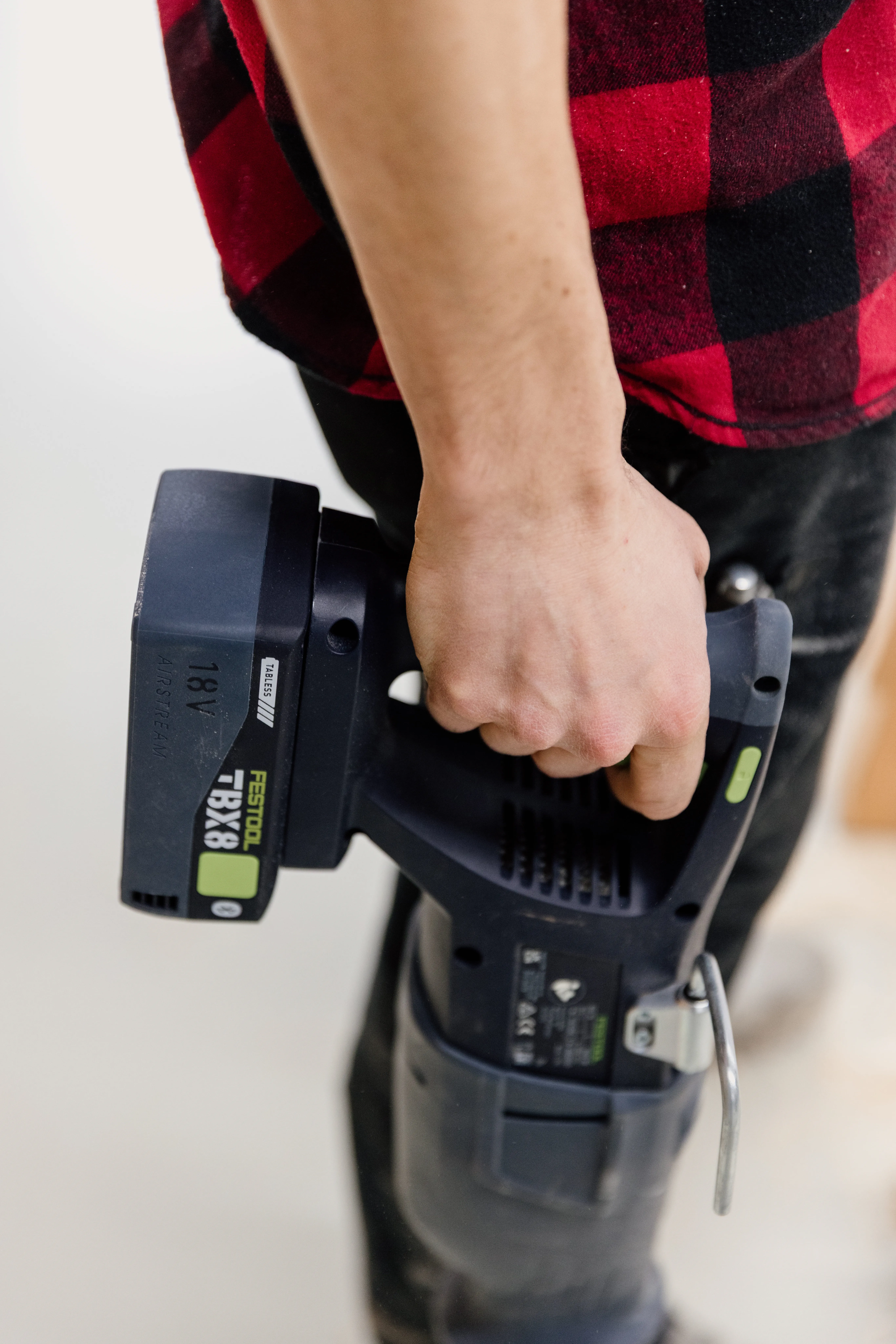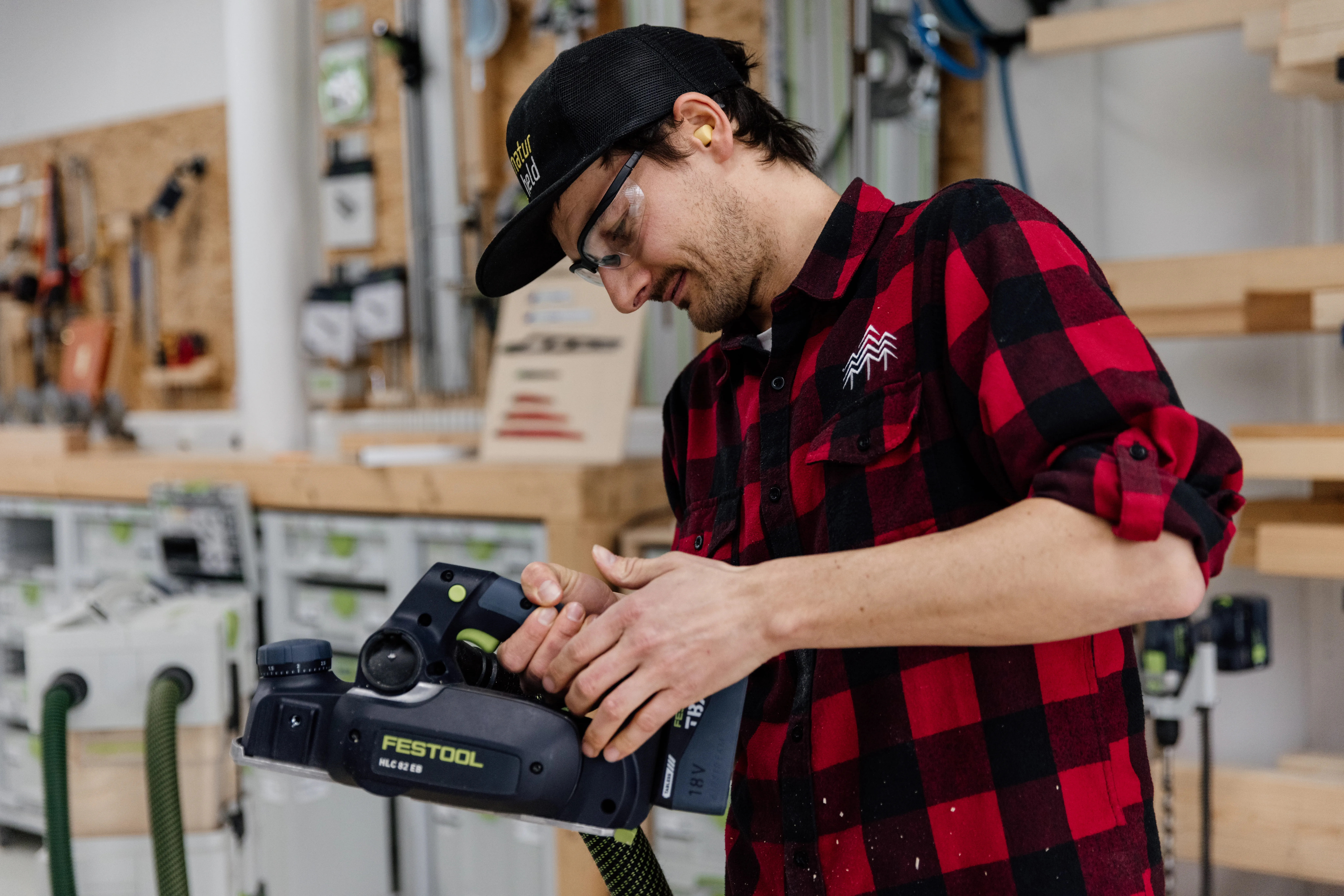



TechTalk: The new tabless batteries from Festool
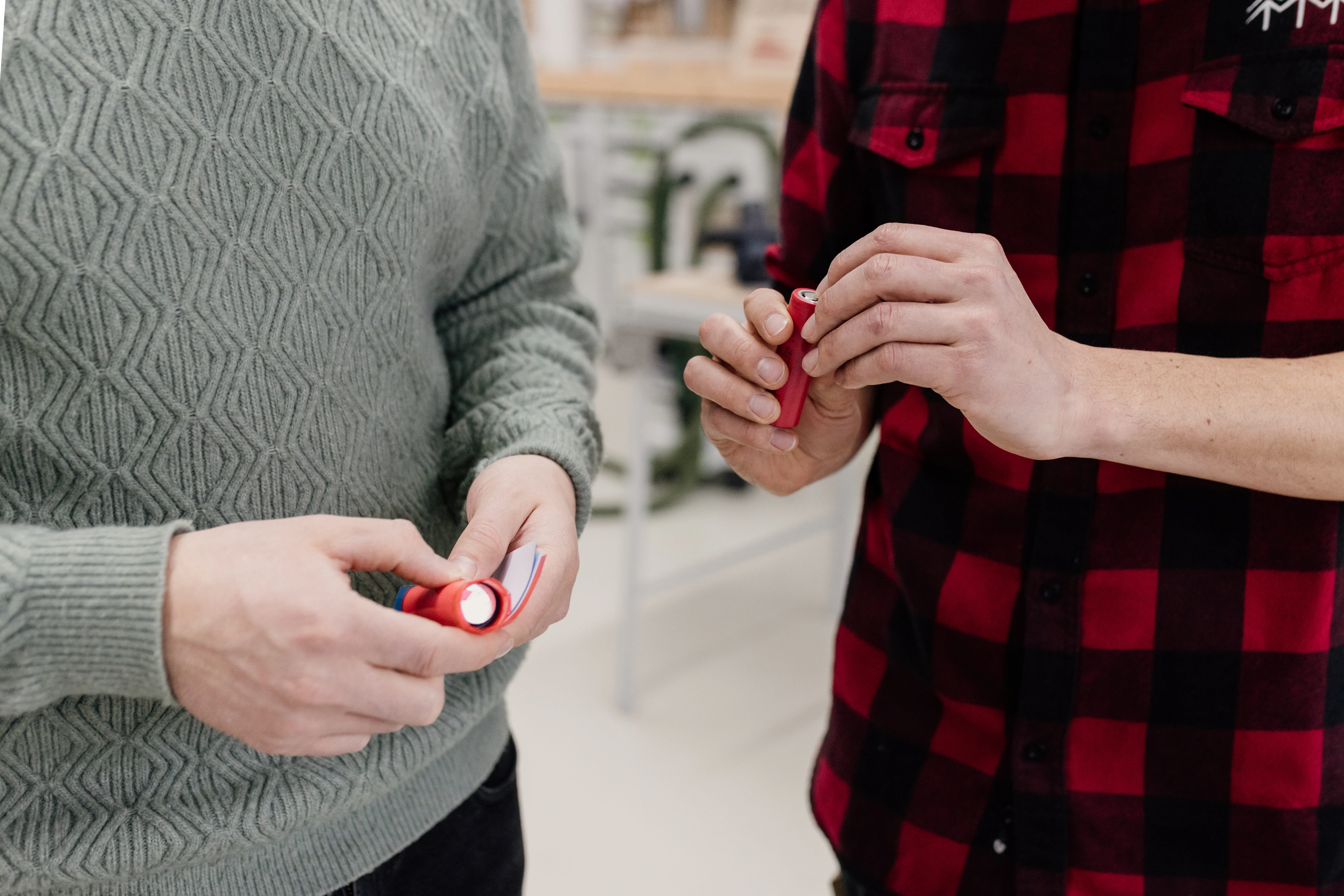
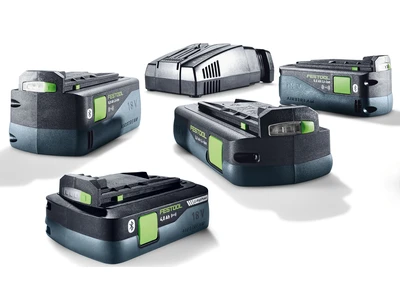
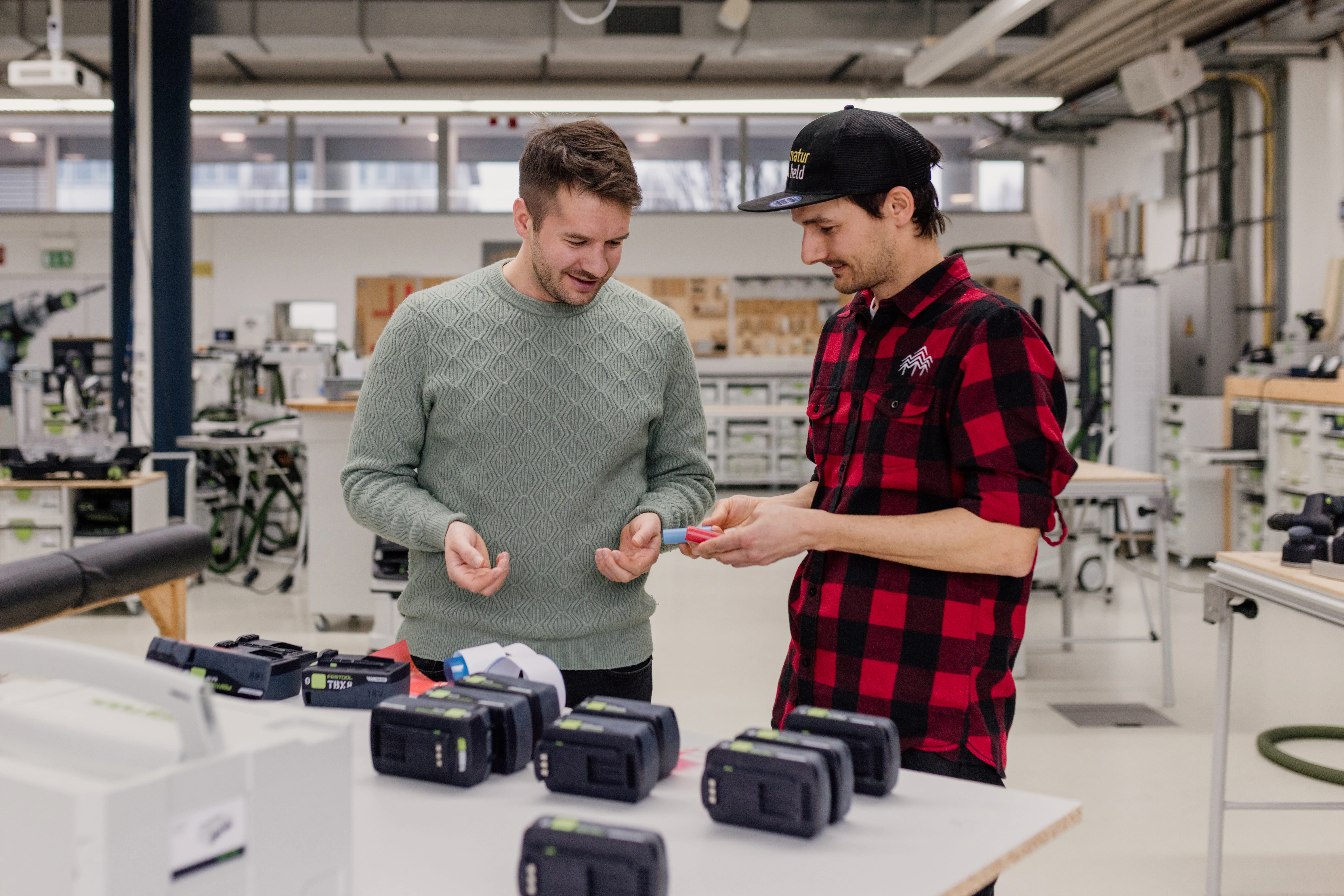
Philip, from a developer’s perspective, what’s the technical difference between a standard lithium-ion cell and a tabless cell?
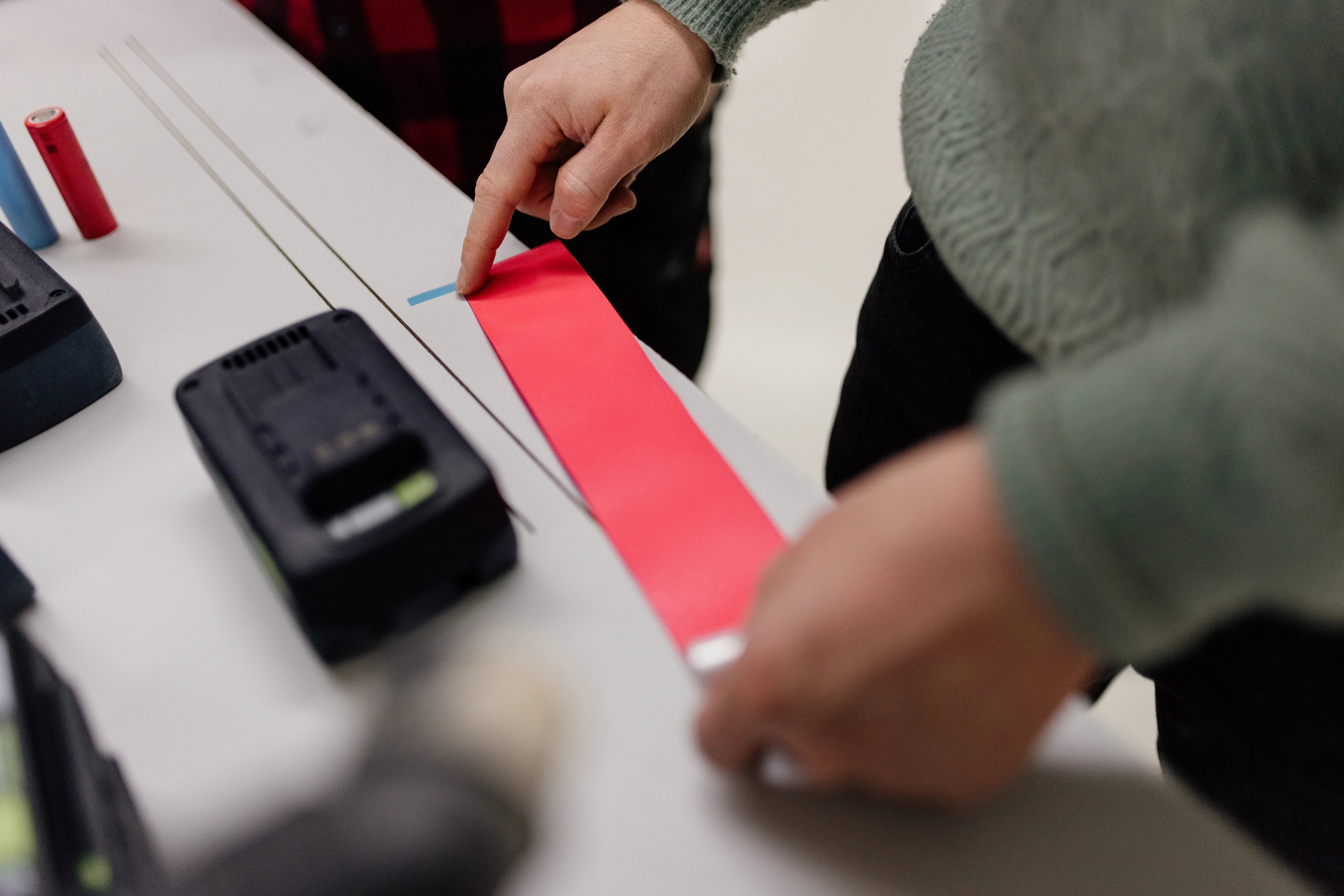
How does tabless technology work?
What are the advantages for the user?
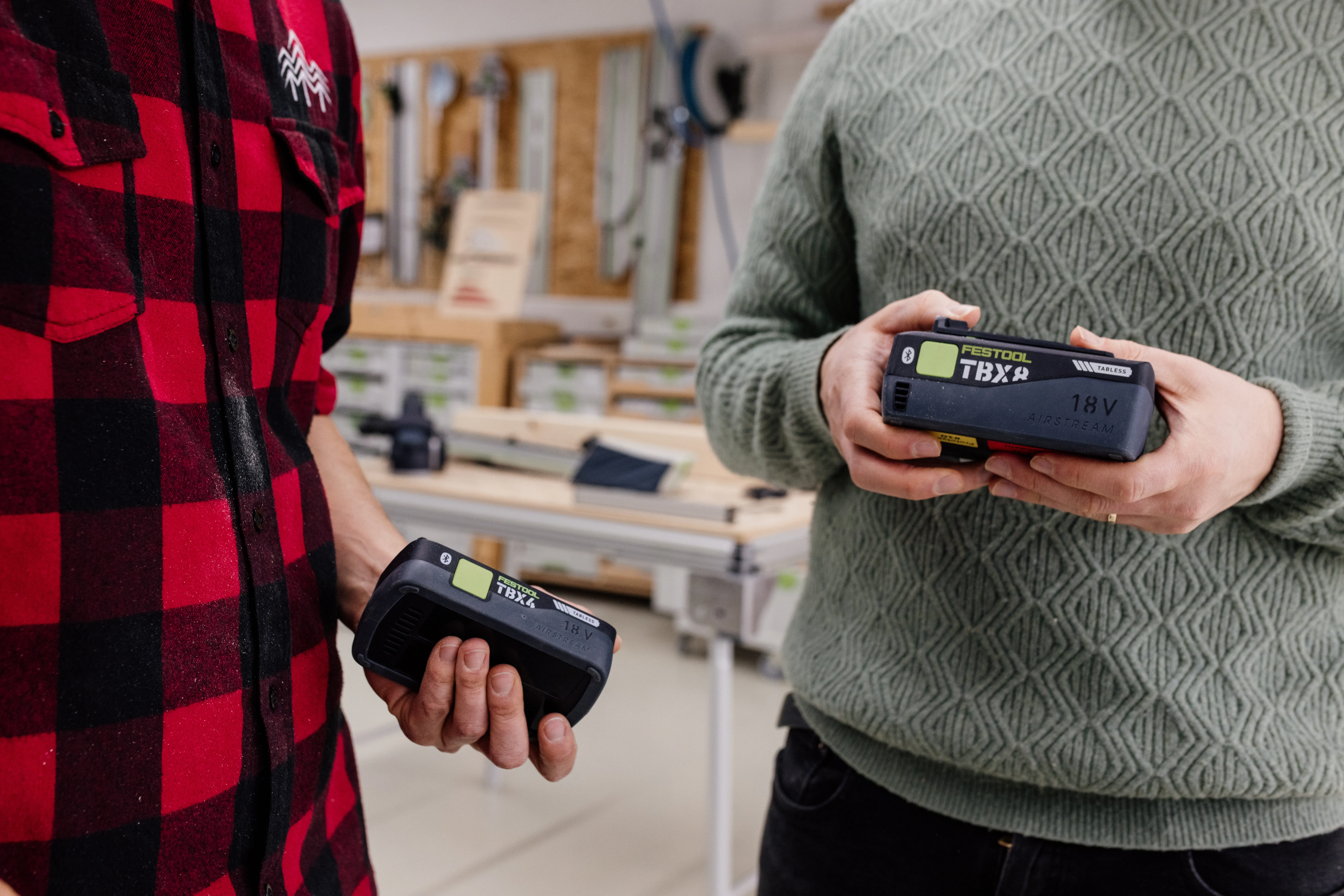
“Externally, both cell types look the same. They have the same size, shape, and outer casing. The difference is inside.”
— Dr. Philip Daubinger, Festool battery technology expert
Does tabless technology also improve battery lifespan?
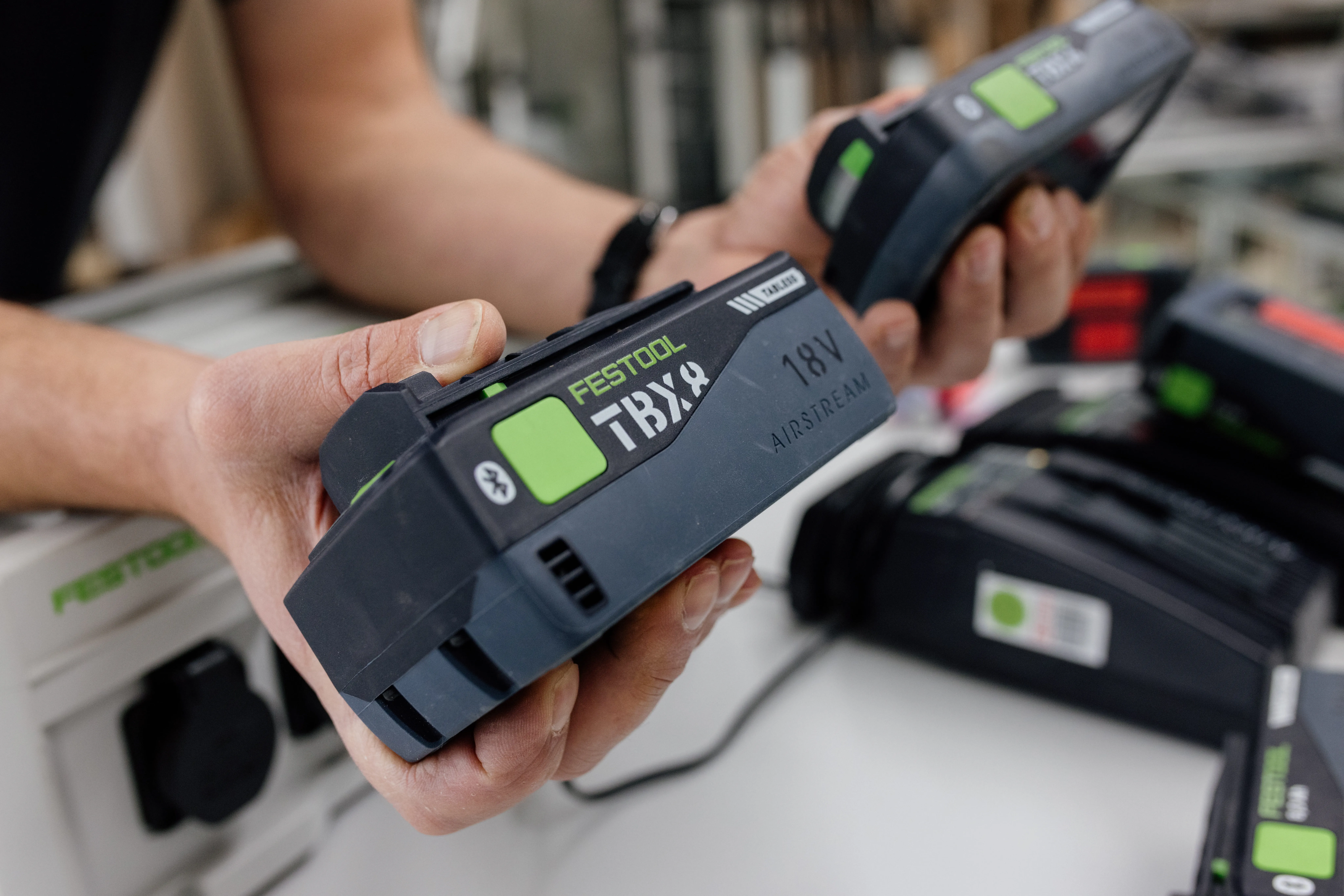
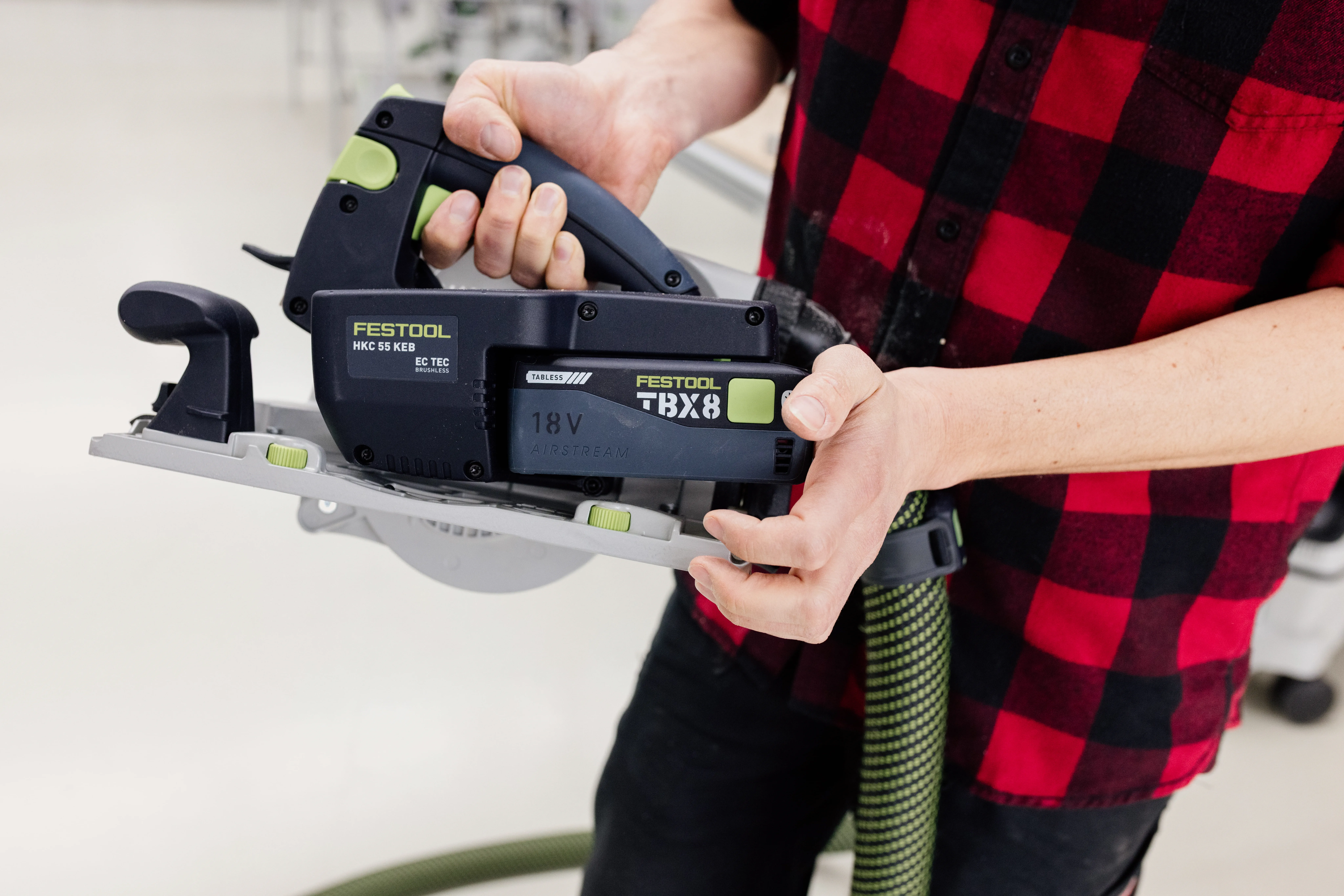
Do the new tabless batteries weigh the same as conventional Festool batteries?
Does tabless technology provide noticeable benefits across all cordless tools, or only in certain applications?
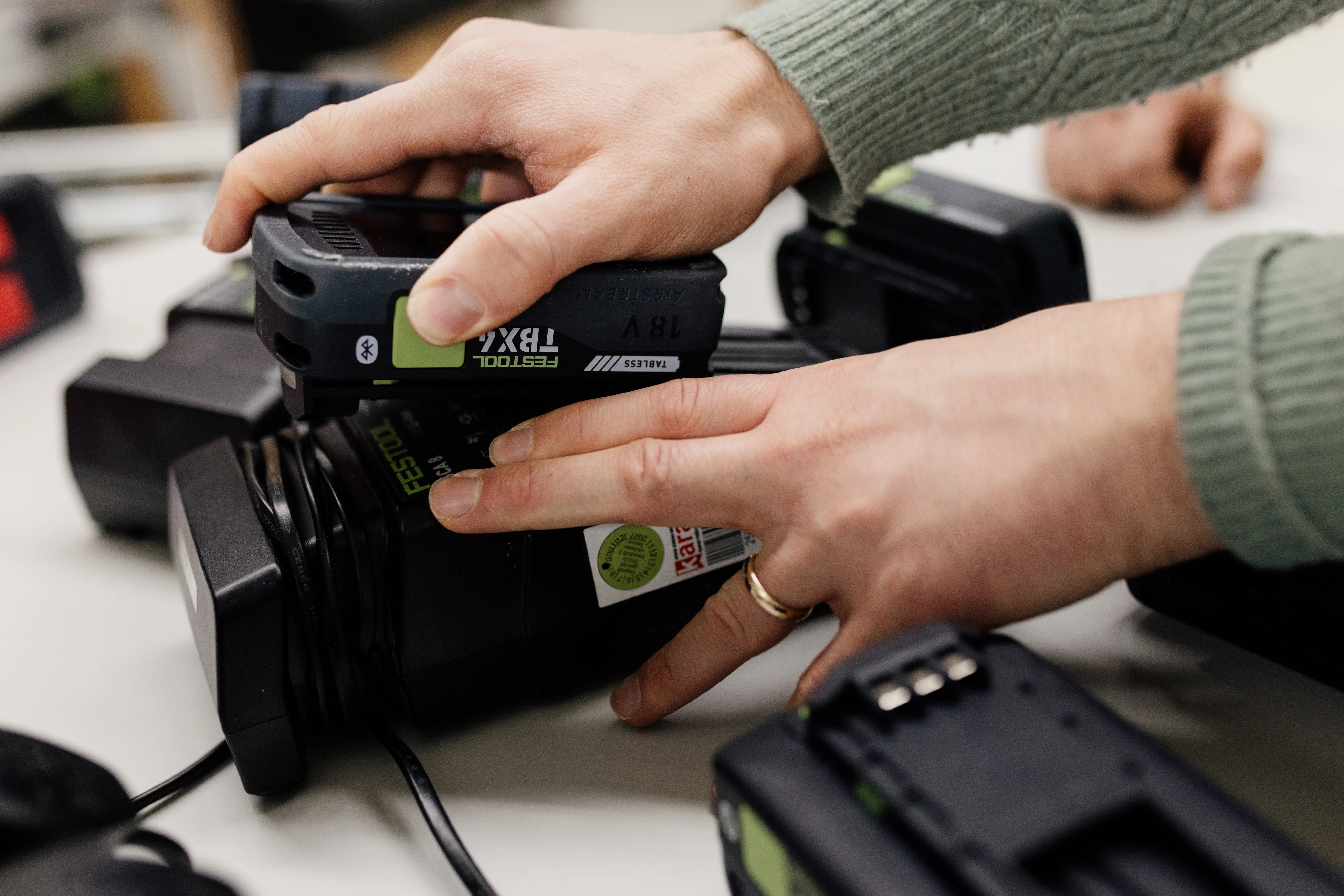
Do tabless batteries cost more than conventional batteries?
More power and longer runtime sound great, but what does that mean in real numbers?
“You can feel it immediately: there’s plenty of power, but never too much. The power delivery remains smooth and controlled, and you can maintain precision.”
—Alexander Henzler, master carpenter and owner of Holzbau Henzler
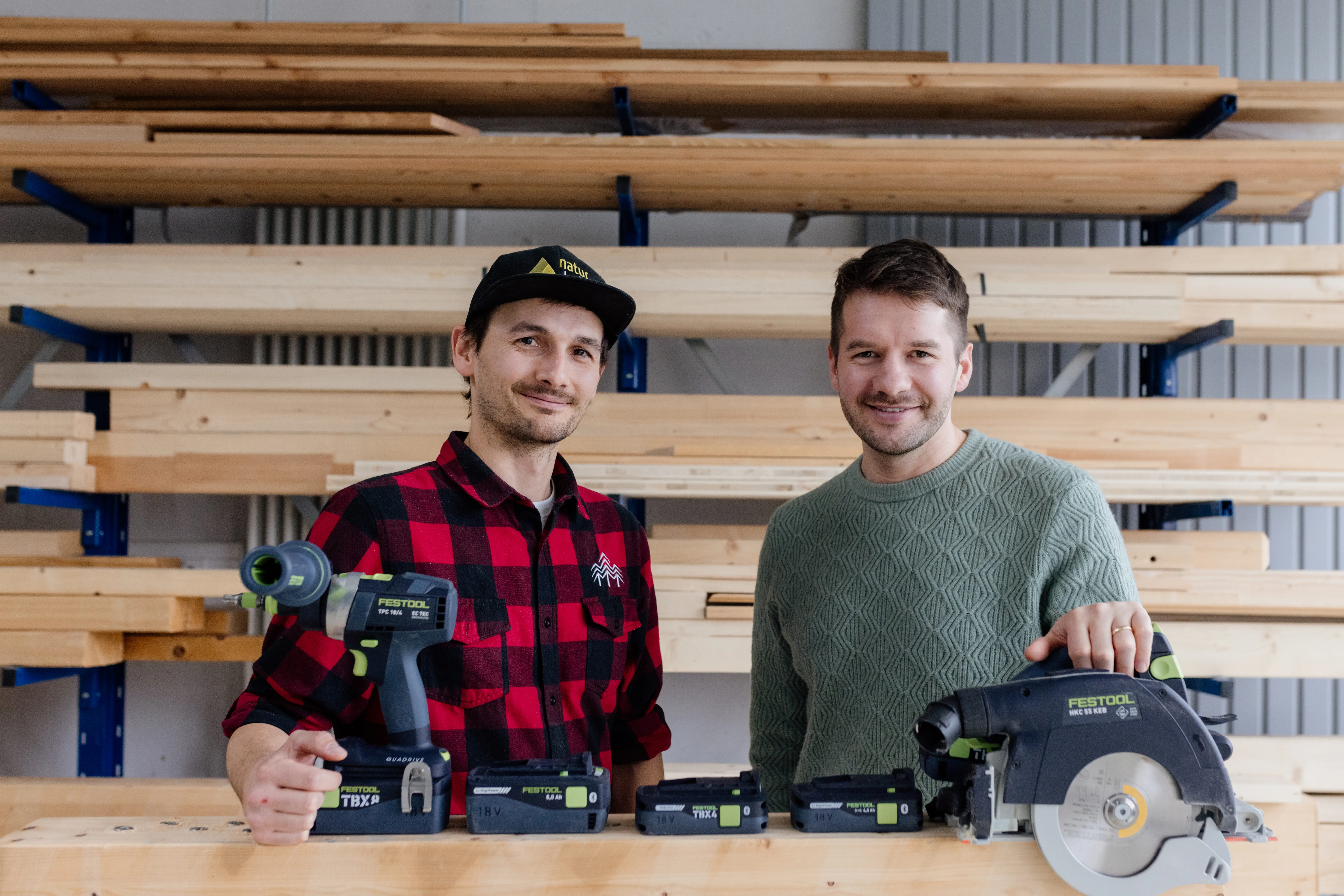
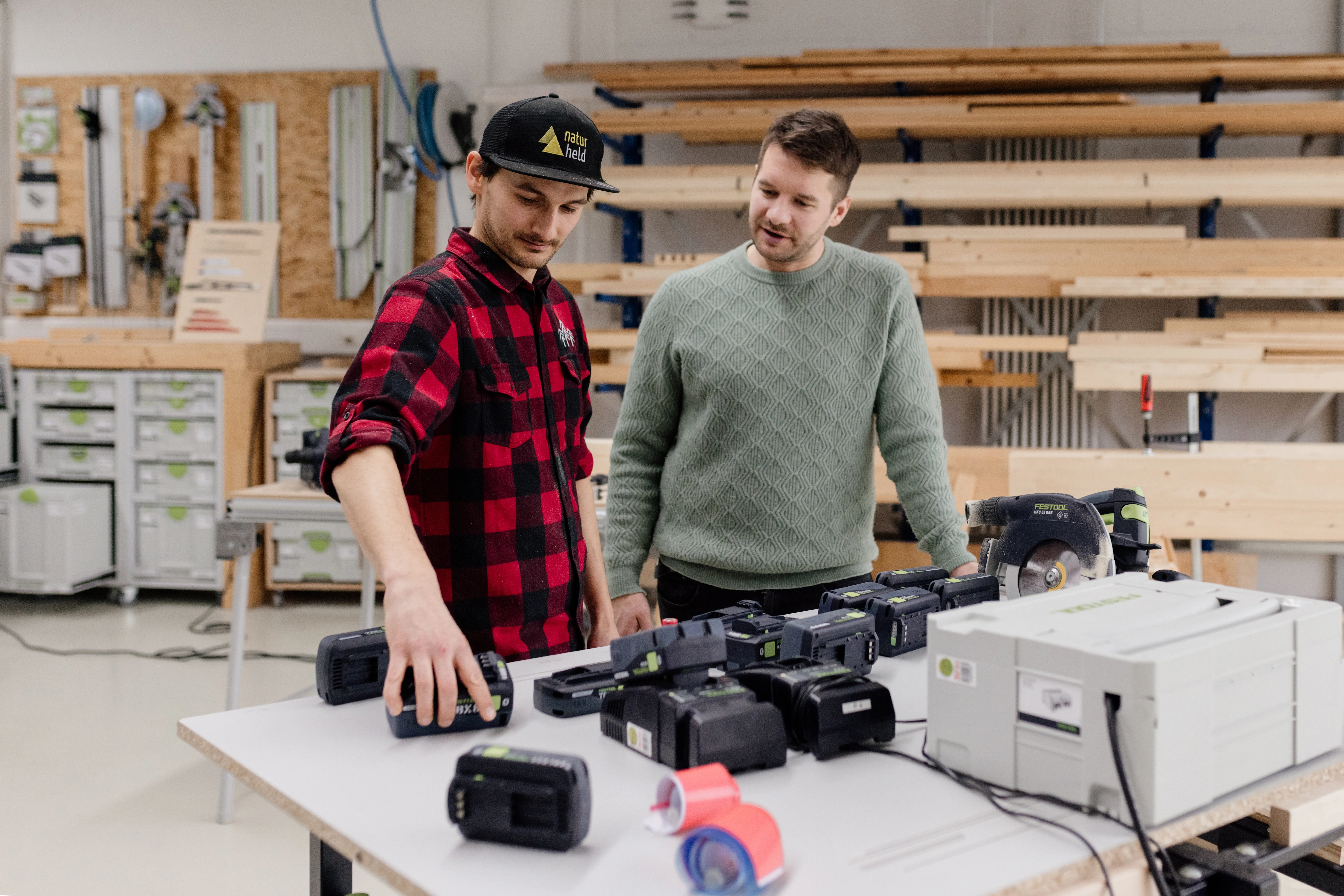
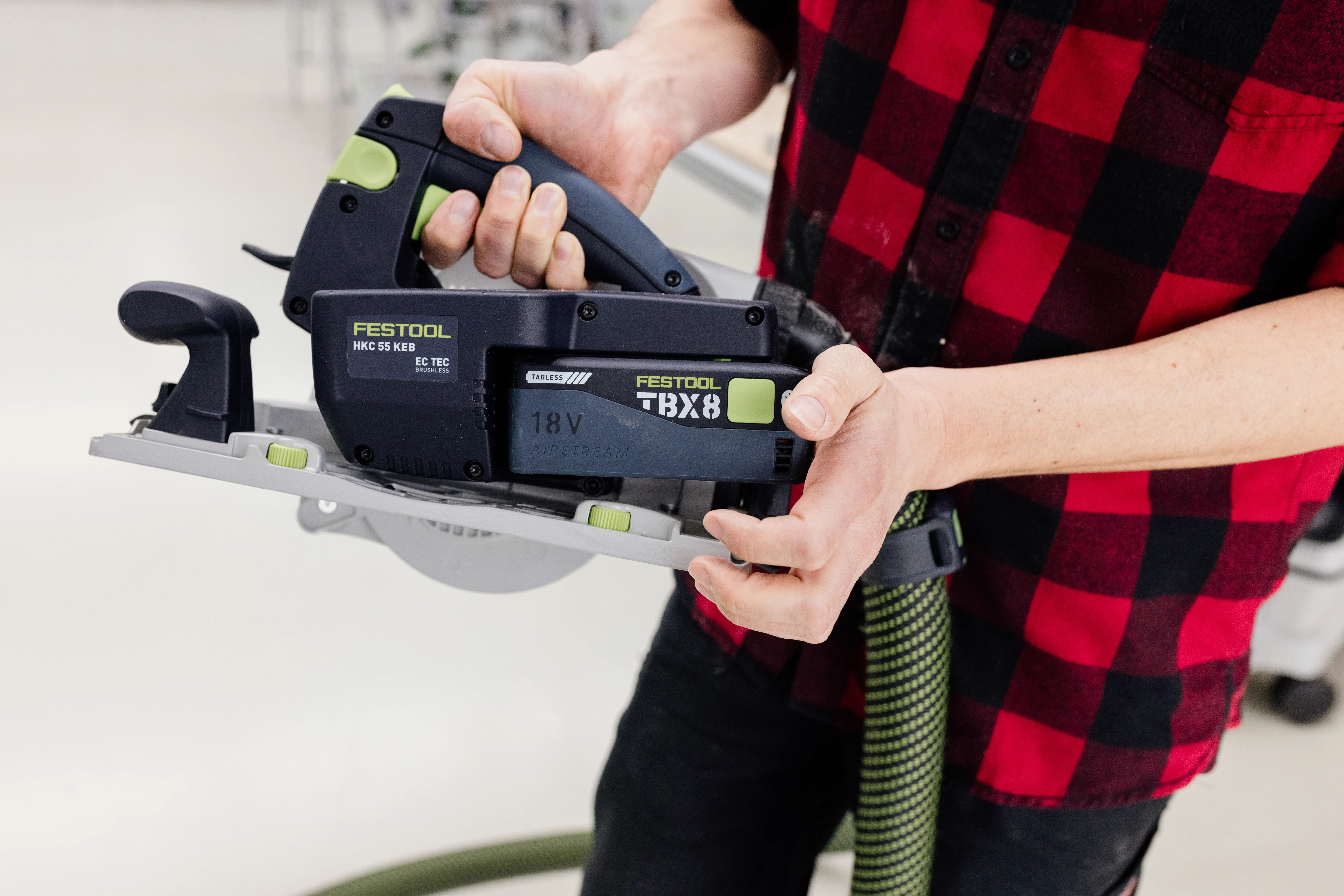
Alex, you tested the new TBX 4 and TBX 8 tabless batteries with the reciprocating saw, cordless circular saw, and cordless driver. What was your first impression? Which one is your favorite?
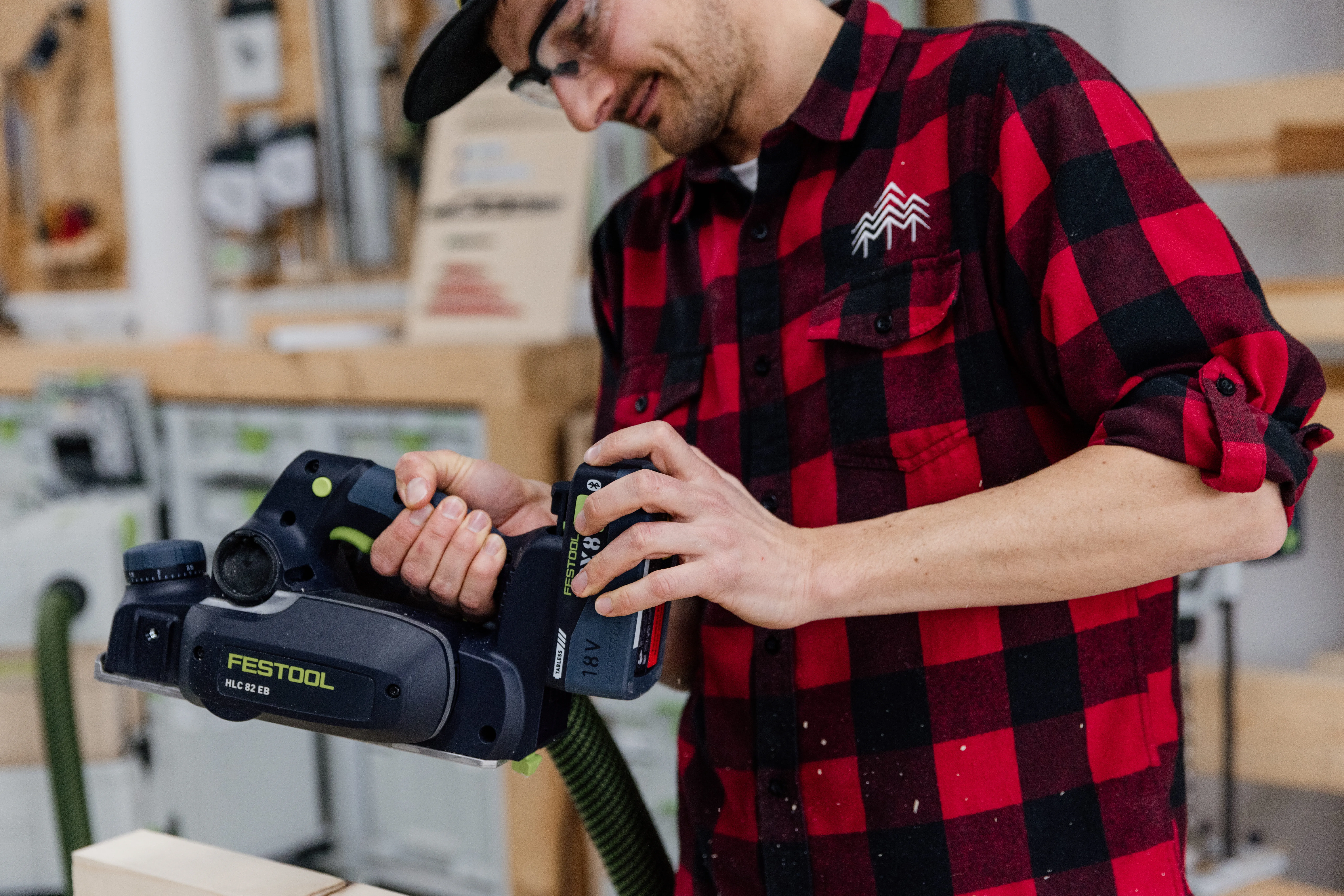
For comparison, you performed the same test with the “old” batteries. How was that experience?
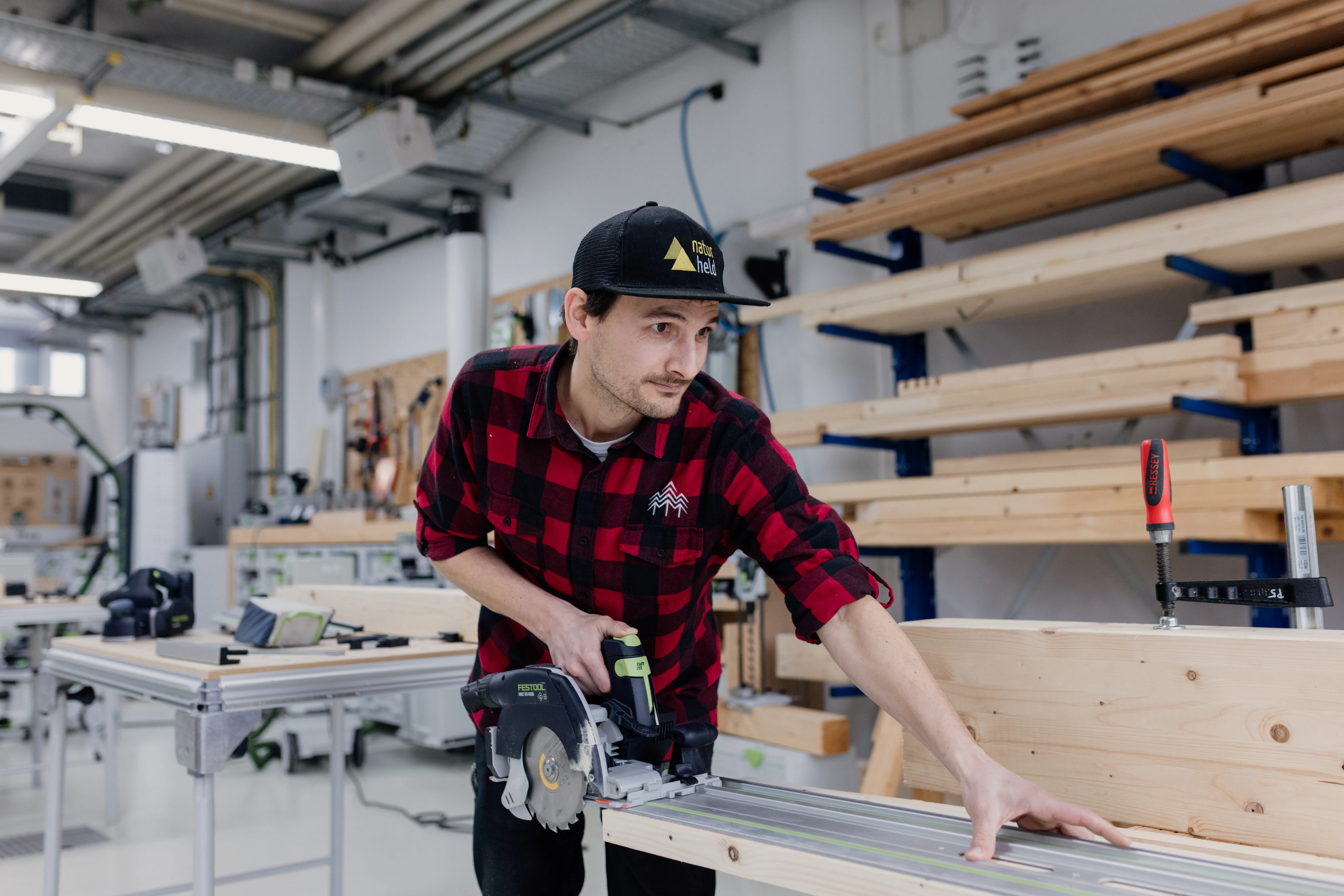
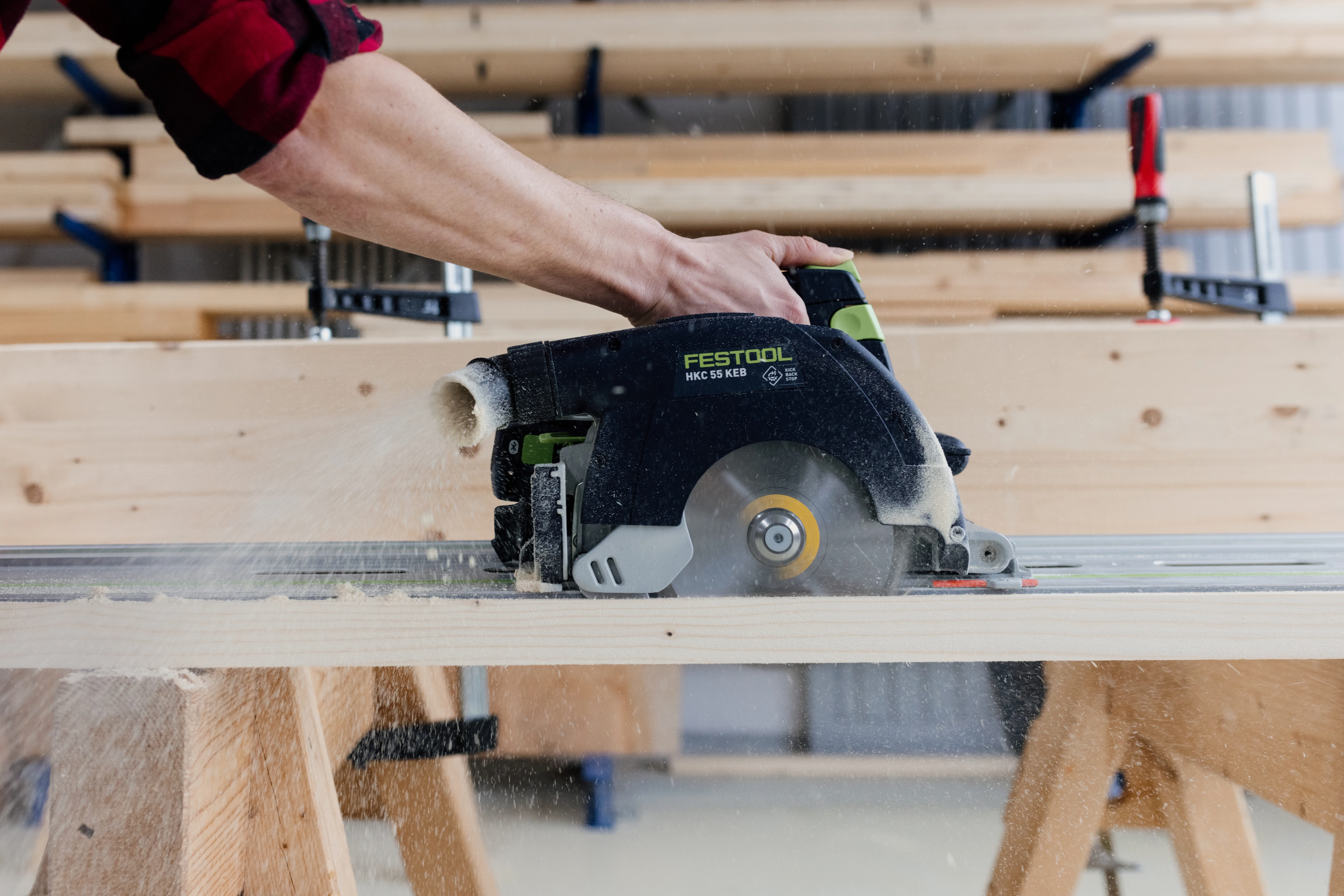
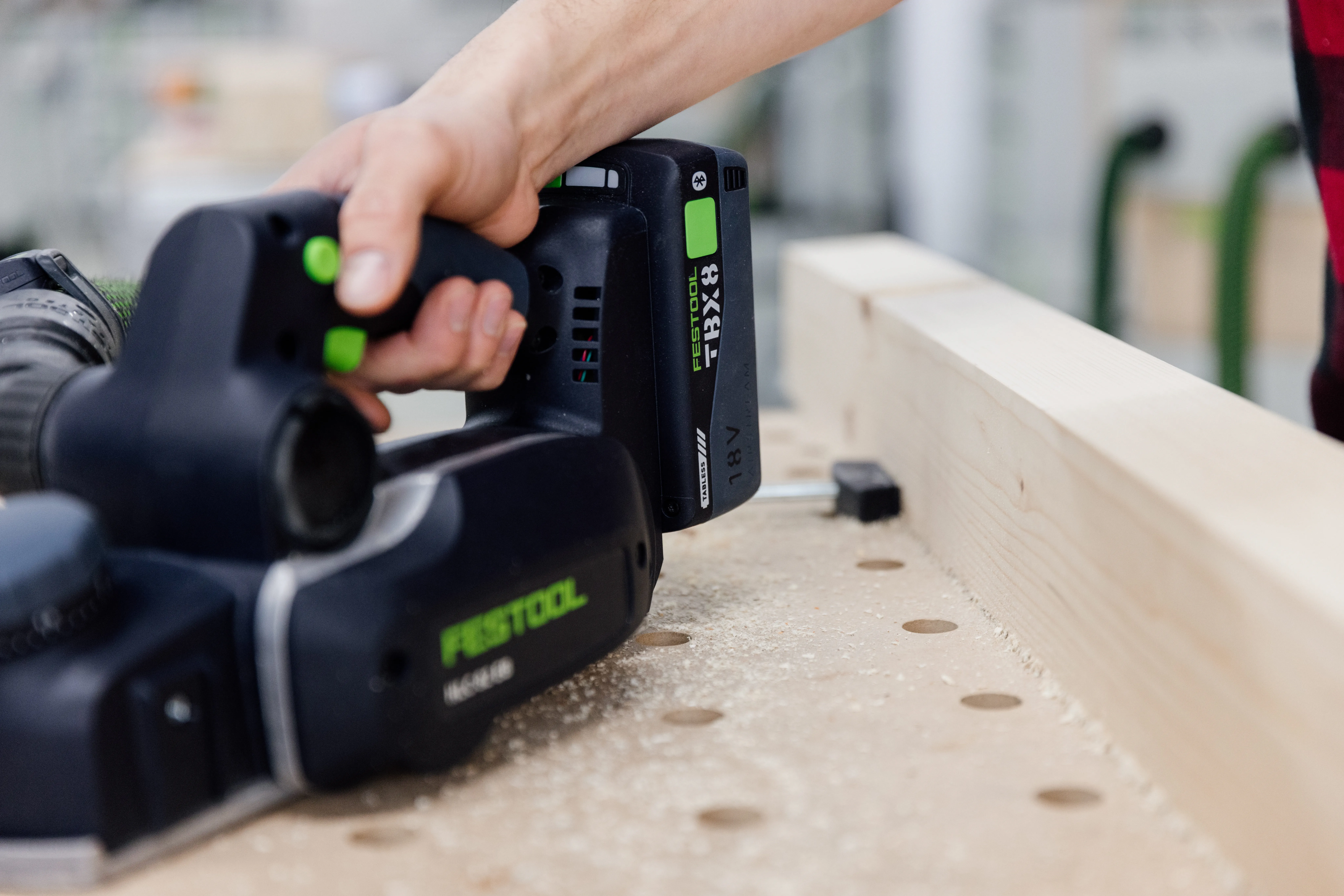
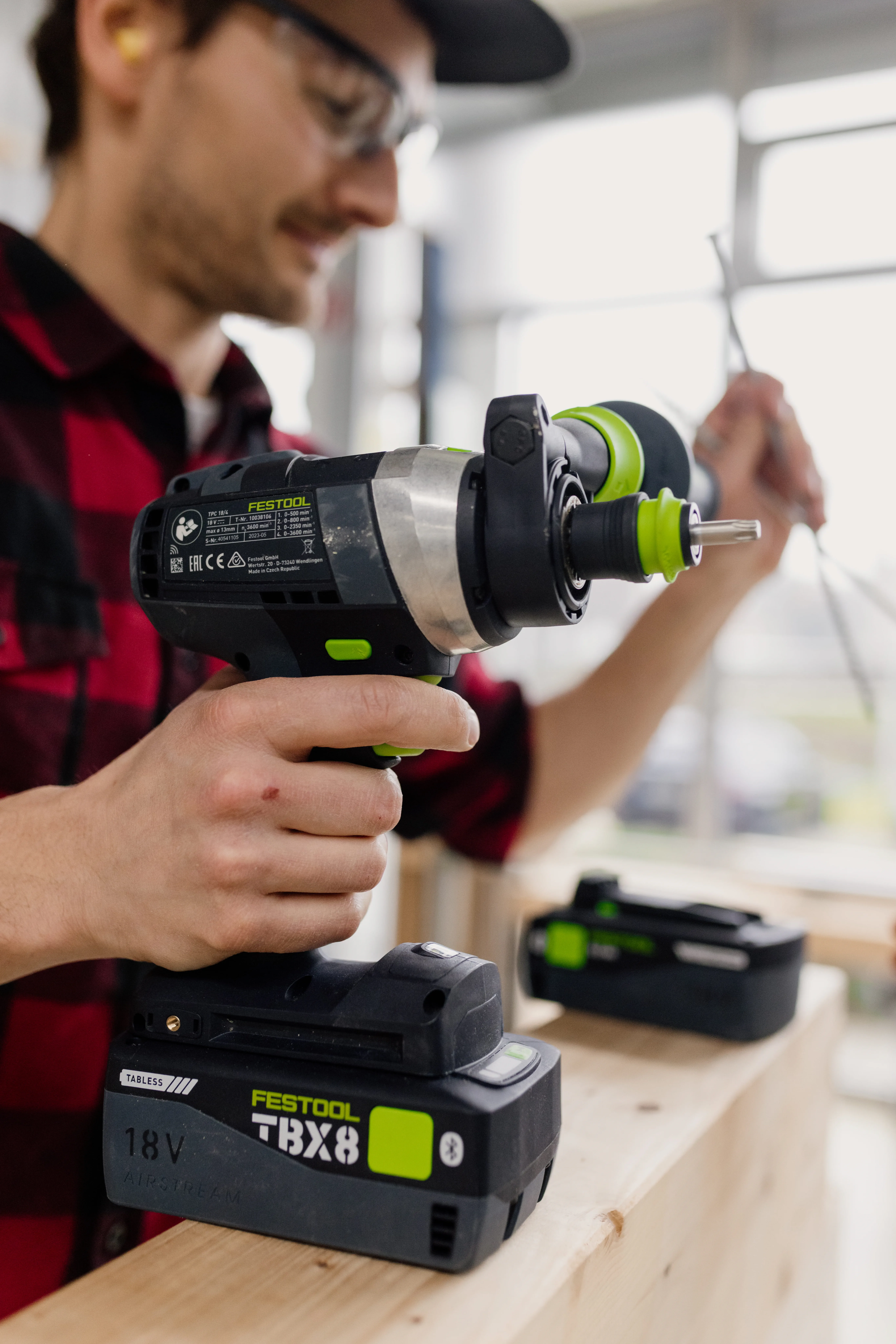
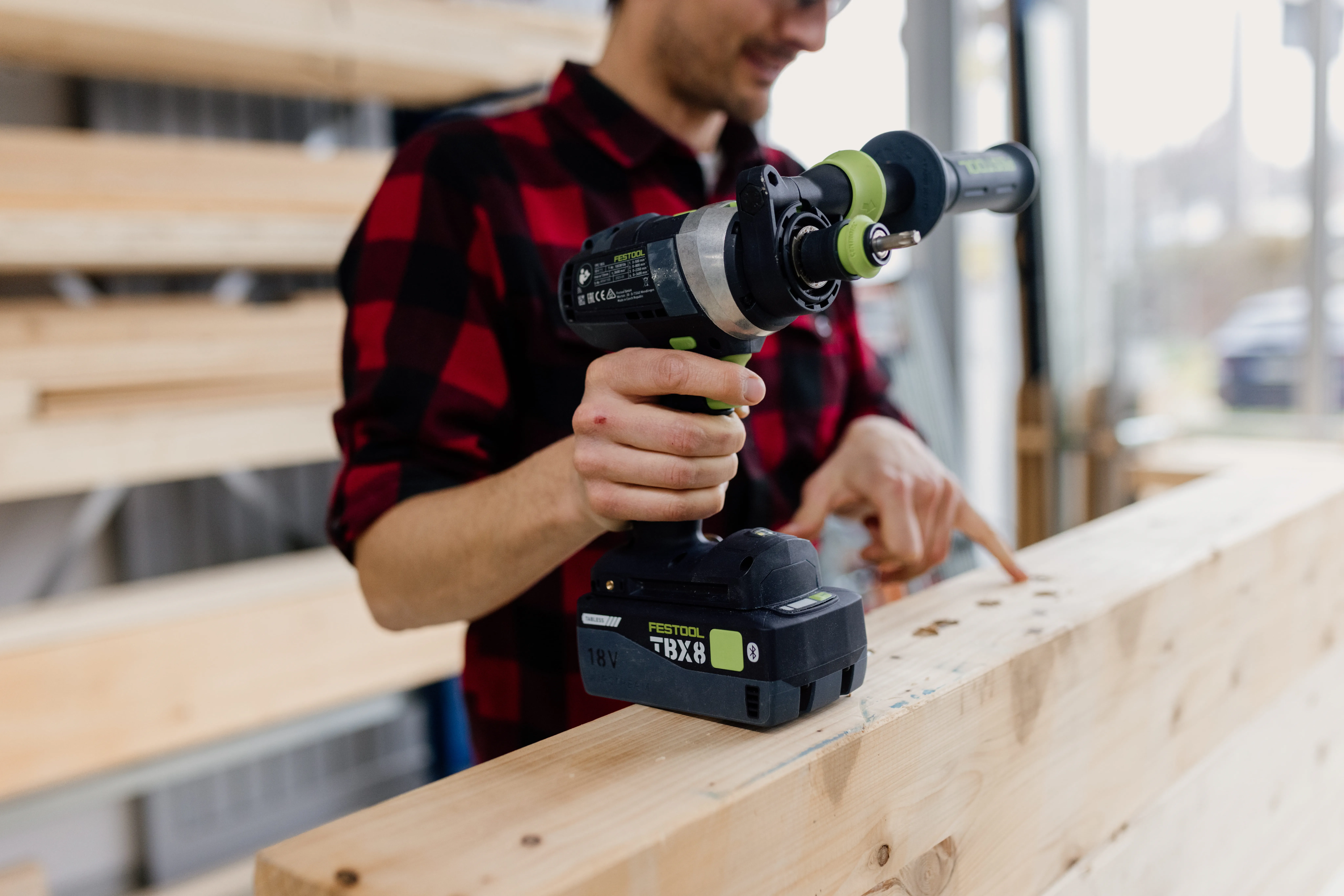
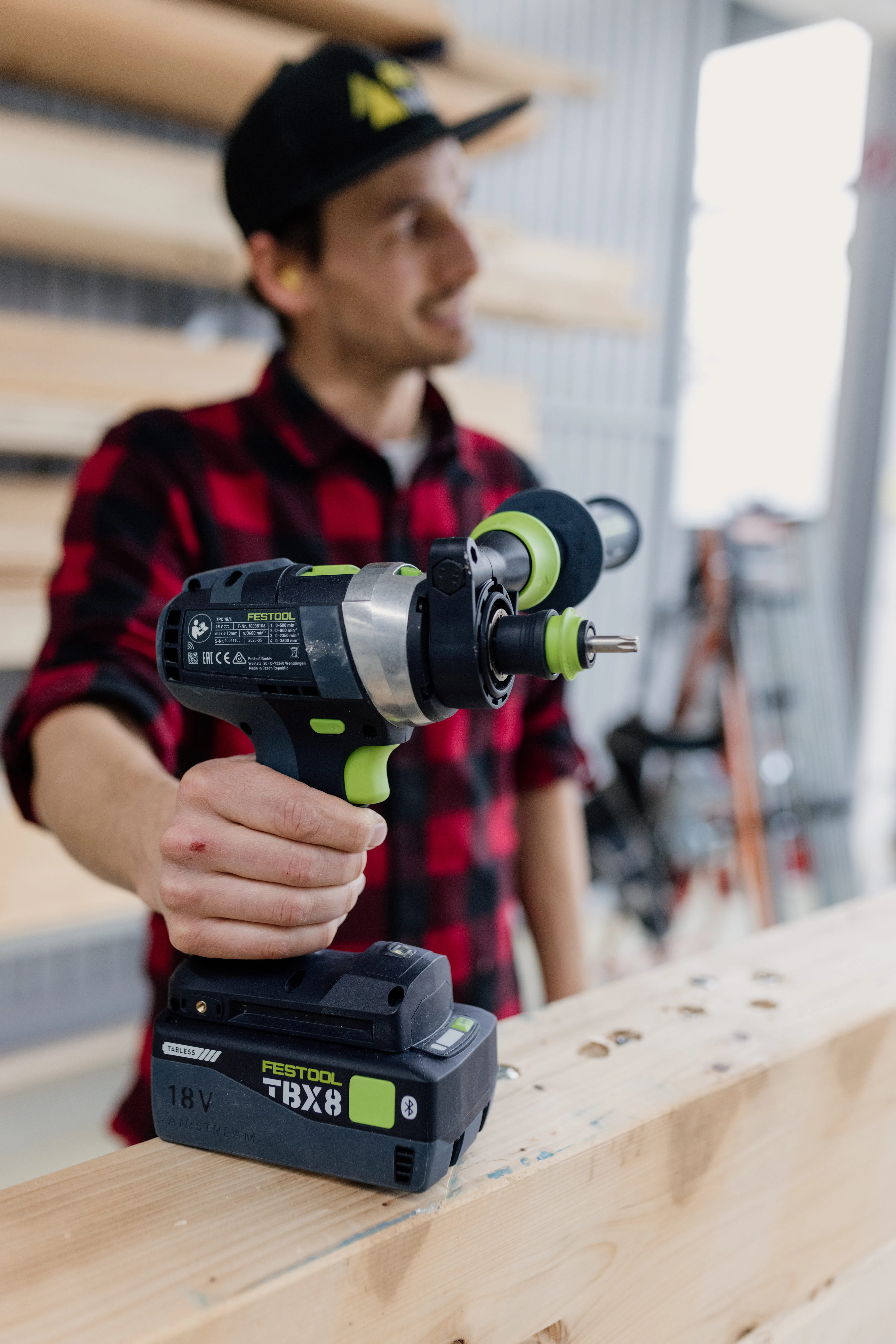
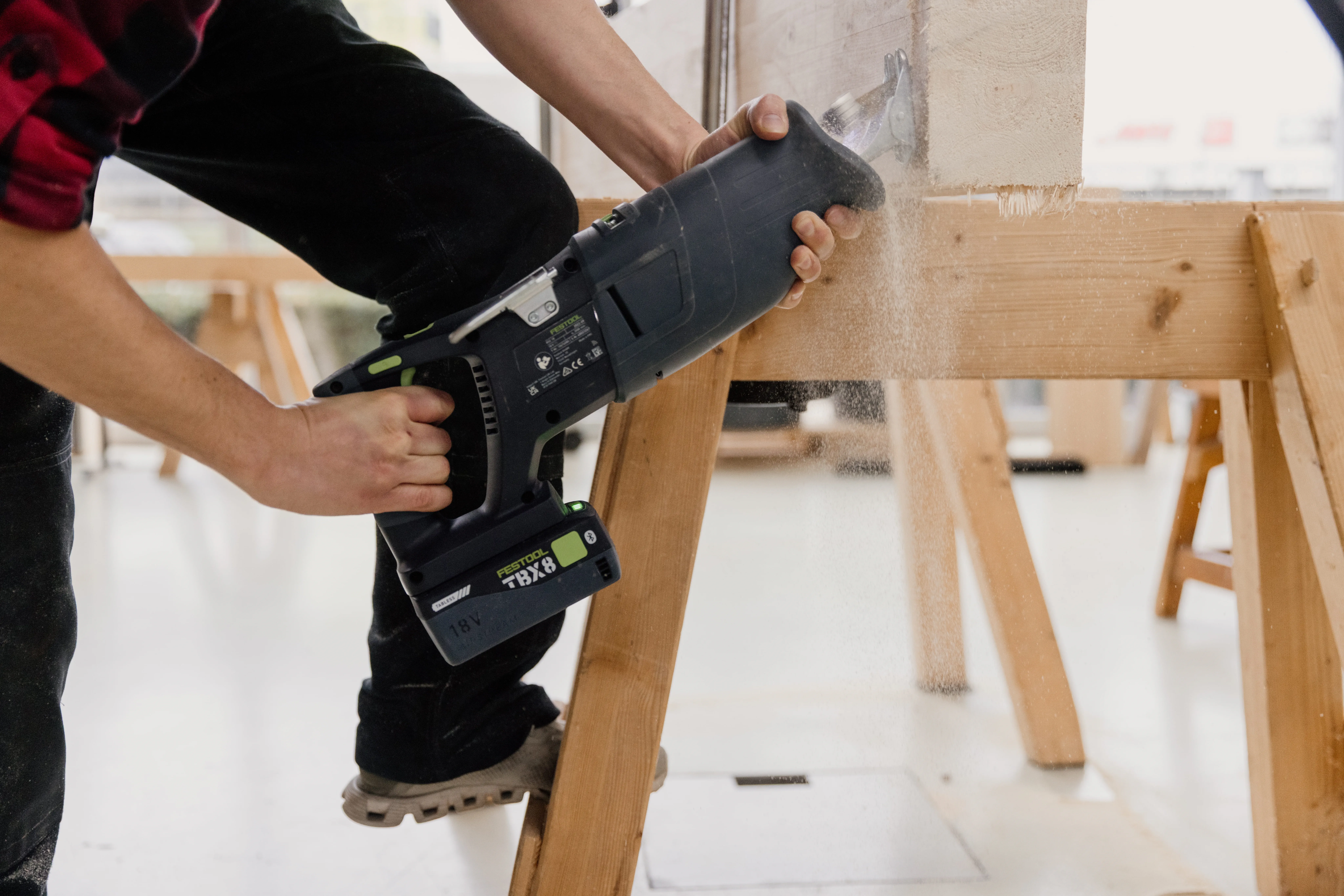
Alex: The difference was especially noticeable when driving large screws, planing, and sawing, especially with the larger reciprocating saw. The circular saw moved through the material much faster, even in thicker beams. You can really feel the reduced resistance while cutting, even with a standard blade. The same goes for driving screws. You can feel it immediately: there’s plenty of power, but never too much. The power delivery remains smooth and controlled, and you can maintain precision. The output improves to a noticeably higher level and then stays consistent. That’s a huge advantage for the kind of work we do.
Philip, Alex, thanks for taking the time to speak with us.